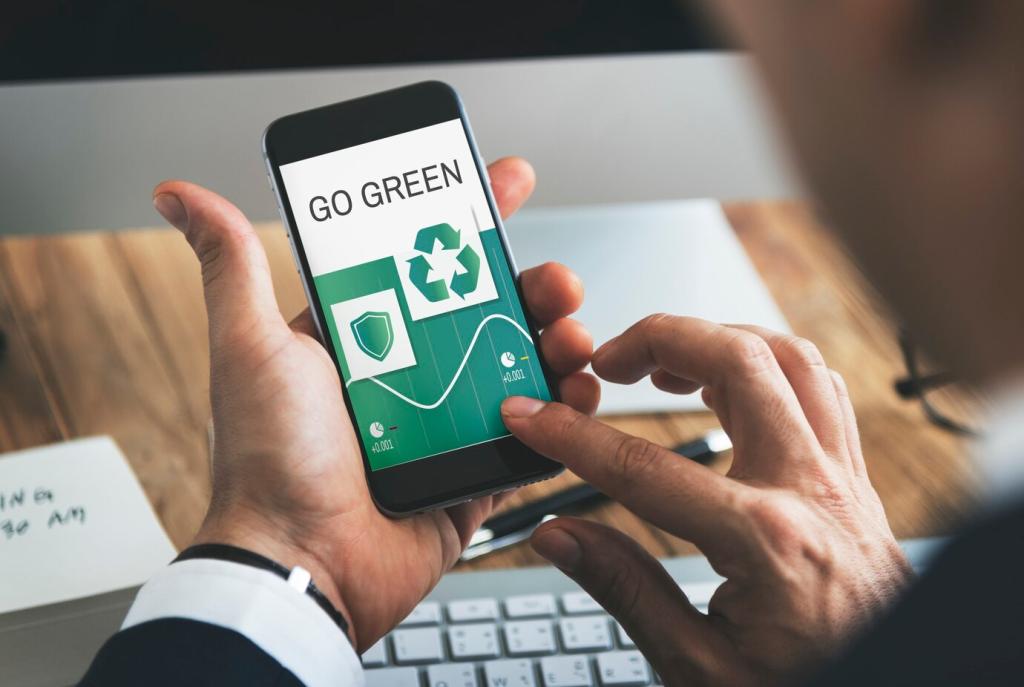
Chosen theme: Eco-friendly Copywriting Techniques. Discover how careful word choices, ethical claims, and low-impact content structures can inspire action without waste. Join the conversation, share your ideas, and subscribe for planet-first writing insights.
Concise copy lowers cognitive load and shortens time-on-page, which can reduce unnecessary scrolling and data transfer. Keep sentences active, remove fillers, and let each word earn its energy and stay.
02
Evidence Before Adjectives
Replace vague superlatives with verifiable claims. Cite lifecycle data, certifications, and third-party audits so readers can trust your message without hunting elsewhere, saving time, clicks, and carbon.
03
Purpose-Driven Structure
Organize content to answer real questions quickly. Strong headings, summaries, and accessible intros minimize wasted navigation, helping readers find what they need without energy-intensive detours or guesswork.
Storytelling that Sparks Low-Impact Action
Tell a relatable story: a marketer swapped heavy PDF brochures for lean web pages and reduced data transfer dramatically, while boosting dwell time and accessibility across slow or mobile networks.
SEO with a Conscience
Choose precise, long-tail queries that mirror real questions. This funnel of clarity brings qualified traffic quickly, reduces pogo-sticking, and trims the cumulative energy of repeated searches.
SEO with a Conscience
Write descriptive titles and meta descriptions that resolve uncertainty before the click. People who know what to expect are less likely to bounce, conserving bandwidth and everyone’s limited attention.
Low-Impact CTAs that Respect Choice
Add a simple “why subscribe” note that clarifies frequency and value. Transparent expectations minimize regret, unsubscribes, and repeated visits to manage settings or find clarification later.
Use crisp typography, SVG icons, and minimalist diagrams where possible. These elements load quickly, communicate clearly, and prevent heavy assets from dominating the experience on slower connections.
Pair engagement metrics with proxies for digital efficiency, such as reduced page weight, fewer pageviews per task, and higher first-visit resolution. Celebrate improvements and document lessons learned openly.
Test a text-led guide versus an image-heavy version, then report load times, completion rates, and data transfer. Share surprises and invite readers to replicate experiments or suggest refinements.